The Hard Truth: Texas Heat Cuts Battery Life in Half
If you’re wondering how long do car batteries last in Texas, the answer might disappoint you. While drivers up north enjoy 4-5 years from a single battery, we Texans are lucky to squeeze out 2-3 years. That’s not a typo. Texas heat literally cuts your battery’s lifespan in half.
I’ve seen it firsthand at dealerships across the state. A customer brings in a truck they bought two summers ago, swearing the battery should still have plenty of life. Then we test it and the numbers don’t lie. It’s toast.
Understanding protecting your car from Texas heat starts with knowing what you’re up against. And when it comes to batteries, you’re fighting a losing battle against the thermometer.
National Average vs Texas Reality
The numbers tell the story. Northern states like Minnesota and Wisconsin see average battery life around 58 months. Southern states including Texas? We’re looking at 30-41 months. Houston drivers face the harshest reality, with battery lifespan reduced by one-third compared to the national average.
This isn’t marketing hype from battery companies trying to sell you more. It’s physics.
Why Heat Is Worse Than Cold for Batteries
Here’s something that surprises most folks. Cold weather gets blamed for dead batteries, but heat does the real damage. Cold weather exposes a weak battery. Heat is what killed it in the first place.
For every 15 degrees Fahrenheit increase in temperature, your battery’s chemical reactions speed up dramatically. Faster reactions mean faster degradation. The electrolyte solution evaporates. Internal components warp. By the time that first cold front rolls through, your heat-damaged battery can’t deliver the cranking amps it used to.
Understanding What Kills Batteries in Texas
Texas doesn’t just get hot. It gets Texas hot. Combined with Texas weather extremes like hail and flooding, your vehicle takes a beating year-round. But nothing destroys batteries quite like our summer heat.
The Science Behind Heat Degradation
Lead-acid batteries work through a chemical reaction between lead plates and sulfuric acid solution. Understanding how lead-acid batteries work helps explain why Texas conditions are so brutal.
When temperatures climb, that chemical reaction accelerates beyond optimal levels. The electrolyte fluid evaporates faster. The lead plates corrode more quickly. Internal grid structures can actually warp from the heat stress. It’s like running your engine at redline all summer long.
Texas Temperature Extremes and Your Battery
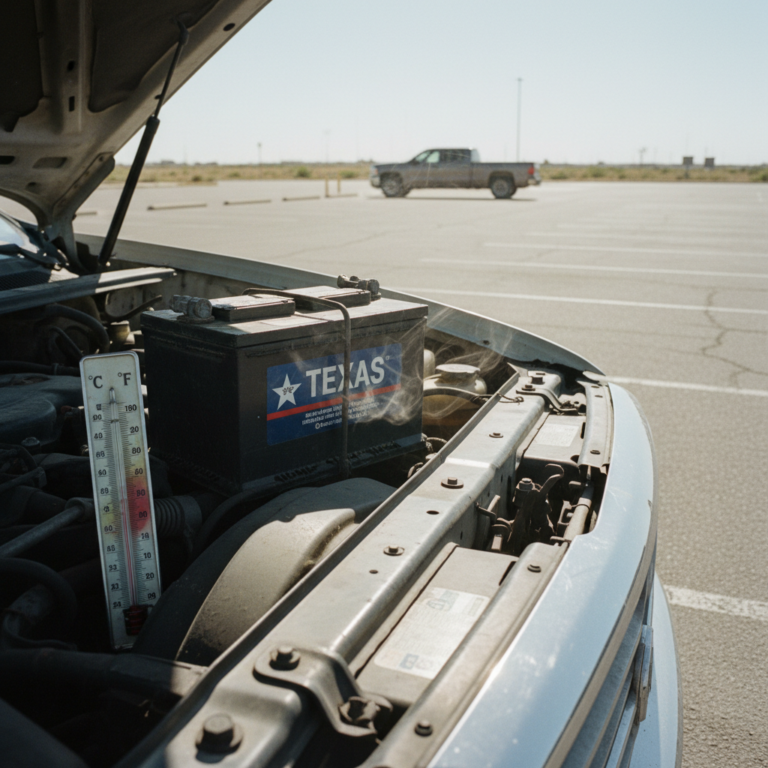
According to NOAA Texas climate data, Texas averages 99-100 degrees in summer with 20+ days exceeding 100 degrees annually. But here’s the kicker: your engine compartment gets way hotter.
While it’s 95 outside, temperatures under your hood can exceed 140 degrees Fahrenheit. That’s where your battery lives. The Consumer Reports battery testing protocols actually simulate these conditions using a 167-degree water bath. That’s the reality Texas batteries face every summer.
How to Know When Your Battery Is Dying
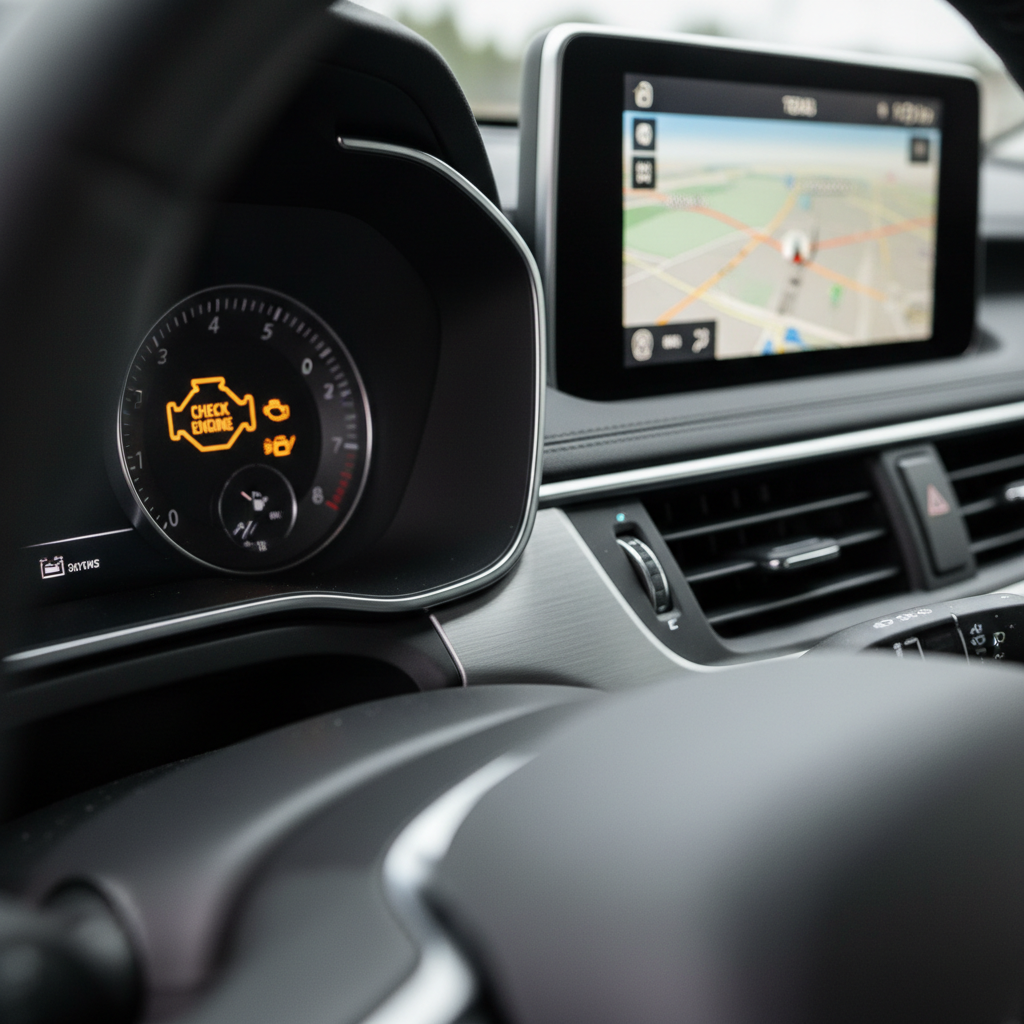
Recognizing the warning signs early can save you from being stranded in a parking lot when it’s 105 degrees. Trust me, I’ve taken those roadside assistance calls. Nobody wants to wait for a jump in Texas summer heat.
7 Warning Signs of Battery Failure
Watch for these symptoms:
- Slow engine crank: The starter motor sounds sluggish and labored when turning over
- Clicking noise: Rapid clicking when you turn the key means insufficient power
- Dim headlights: Lights that flicker or seem weaker than usual
- Electrical gremlins: Dashboard flickering, slow windows, or radio cutting out
- Terminal corrosion: Blue-green crusty buildup on battery connections
- Sulfur smell: Rotten egg odor indicates battery overheating
- Swollen case: A bulging or bloated battery housing means heat damage
If you’re test driving a used car, pay attention to how the engine cranks on startup. A hesitant start can indicate battery issues or point to other electrical problems worth investigating.
The Difference Between Battery and Alternator Problems
Battery and alternator failures can look similar. Here’s the quick test: if you can jump-start the car and it runs fine for days, you probably need a battery. If it dies again within hours or the battery warning light stays on while driving, your alternator likely isn’t charging properly.
When in doubt, most auto parts stores will test both for free. Takes about ten minutes and saves guessing.
How to Extend Your Battery Life in Texas Heat
You can’t change the Texas climate. But you can adapt your habits to squeeze more life out of your battery. These strategies won’t double your battery lifespan, but they can add meaningful months.
Parking Strategies That Actually Work
Where you park matters more than you might think. Every degree cooler helps.
- Garage parking: Even a hot garage beats direct sun exposure
- Shade hunting: Park under trees or building shadows when possible
- Reflective sunshades: They don’t just protect your interior, they reduce overall vehicle heat
- Covered parking: Worth paying extra at work if available
I remember working at a dealership where we had both covered and uncovered lots. Vehicles that sat in direct Texas sun all day needed battery replacements noticeably more often. Not scientific data, but fifteen years of observation doesn’t lie.
Maintenance Tips for Hot Climates
Texas Battery Maintenance Checklist:
- Clean terminals every 6 months to prevent corrosion buildup
- Check fluid levels monthly if you have a serviceable battery
- Get professional testing annually after 2 years
- Drive 30+ minutes at highway speeds weekly to maintain full charge
- Avoid running electronics with the engine off
- Ensure battery hold-down clamp is secure to prevent vibration damage
That highway driving tip is important. Short trips around town don’t give your alternator enough time to fully recharge the battery. The battery stays partially discharged, which accelerates wear.
Best Battery Types for Texas Conditions
Not all batteries handle heat equally. AGM (Absorbent Glass Mat) batteries outperform traditional flooded lead-acid batteries in hot climates. The sealed design prevents electrolyte evaporation, a major failure point in Texas.
Brands that Texas drivers consistently recommend include Interstate, DieHard, and Odyssey Extreme. These aren’t the cheapest options, but the longer warranty periods and better heat tolerance make them worthwhile investments.
When to Replace Your Car Battery in Texas
Knowing how long car batteries last in Texas helps you plan replacement before you’re stranded. Proactive replacement beats reactive towing every time.
Age-Based Replacement Guidelines for Texas
The national recommendation is to start testing batteries at 3 years. In Texas, adjust that timeline:
- Year 2: Start annual testing
- Year 2.5: Consider replacement if test results are borderline
- Year 3: Replace proactively, especially before summer
Spring replacement makes strategic sense. Your battery is weakest after surviving another Texas summer. Replacing in March or April means facing the coming heat with a fresh battery at full capacity. Checking a vehicle history report can reveal battery replacement patterns on used vehicles.
Warranty Considerations for Texas Buyers
Battery warranties have two periods that matter: free replacement and prorated coverage. The free replacement period is what you should prioritize. A 3-year free replacement warranty beats a 4-year warranty with only 18 months of full coverage.
Interstate offers solid 4-year warranties with straightforward replacement processes. DieHard’s 3-year free replacement through Advance Auto Parts keeps things hassle-free. If you’re buying a certified pre-owned vehicle, check whether the CPO warranty includes battery coverage.
You can also use AAA’s battery testing service for professional assessment if you’re unsure about your current battery’s condition.
Frequently Asked Questions About Car Batteries in Texas
Do batteries last longer in North Texas vs South Texas?
Slightly. Amarillo and the Panhandle see marginally better battery life than Houston or the Rio Grande Valley. But the difference is months, not years. Anywhere in Texas is still significantly harder on batteries than northern states.
Should I replace my battery before a Texas summer?
If your battery is 2.5+ years old and you haven’t had it tested recently, yes. Replacing in spring costs the same as replacing after a summer failure, minus the tow truck and inconvenience.
How much does battery replacement cost in Texas?
Expect to pay $150-$300 for a quality battery with installation. Budget-tier batteries run cheaper but often don’t include adequate warranties. When you’re already budgeting for quality used cars under $20,000, factor in $200-250 for a reliable battery that won’t leave you stranded.
Can I install a battery myself or should I pay for installation?
Most batteries are straightforward DIY projects. You’ll need basic tools and about 20 minutes. However, some modern vehicles require programming after battery disconnection. Check your owner’s manual first. Many auto parts stores include free installation with purchase, which makes paying extra pointless.
The Bottom Line on Texas Car Battery Life
Texas heat means accepting shorter battery life as part of vehicle ownership here. Planning for 2-3 years instead of 4-5 lets you budget appropriately and replace proactively. Test early, watch for warning signs, and don’t push a marginal battery into another brutal summer.
Your battery is working overtime just to survive Texas conditions. Give it a fighting chance with smart parking, regular maintenance, and timely replacement. The cost of a new battery beats the cost of an emergency tow any day.