Why the Test Drive Is Critical for Used Car Buyers
Let me tell you something I’ve learned after fifteen years in the Texas automotive business. Photos lie. Vehicle history reports tell partial stories. But a test drive? It never lies. When you slide behind that wheel and feel how a used car responds, you’re getting the unfiltered truth about what you’re buying.
Here’s a stat that backs me up: according to used car buyer statistics, 89% of buyers consider the test drive critical to their purchase decision. And with the average used car now running $25,512 in 2025, you can’t afford to skip this step.
Test Drive Statistics You Should Know
The numbers don’t lie. 81% of car buyers rate their test drive satisfaction between 8 and 10 out of 10. That tells me most folks who take the time to properly test drive walk away confident in their choice. Don’t become part of the percentage who regrets skipping this crucial step.
Another interesting fact: 40% of today’s buyers prefer booking test drives from their smartphones. If you’re shopping for quality used vehicles under $20,000 or even premium options, make sure you’re testing those Bluetooth and connectivity features during your drive.
Common Mistakes Buyers Make During Test Drives
I’ve watched countless buyers make the same errors. They take a quick spin around the block. They let the salesperson choose the route. They focus on the stereo instead of the suspension. Don’t be that buyer. A proper test drive takes 30-45 minutes and covers multiple driving conditions.
Before the Test Drive: Essential Preparation
Walking into a dealership unprepared is like fishing without bait. You might get lucky, but you’re making things harder than they need to be. Let me share what I bring to every test drive evaluation.
What to Bring to Your Test Drive
- Valid driver’s license: No license, no drive. Period.
- Smartphone with charging cord: Test that connectivity and take notes.
- Notepad and pen: Old school, but you’ll thank me when comparing cars later.
- A trusted second set of eyes: Someone with car knowledge who can spot what you miss.
Schedule During Daylight Hours
This one’s non-negotiable for me. Daylight reveals paint mismatches from body repairs, faded panels, and dents you’d never catch under showroom lights. I’ve seen sellers intentionally schedule evening test drives to hide cosmetic issues. Don’t fall for it.
Pre-Drive Visual Inspection Checklist
Before you even turn the key, walk around that vehicle with a critical eye. Check the tires for uneven wear patterns. Uneven wear screams alignment problems or worn suspension components. Look for rust along the wheel wells, door edges, and underneath. In Texas, we don’t deal with road salt, but coastal humidity and flash flood damage create their own rust problems.
Pop the hood. Check fluid levels and look for oil leaks, worn belts, and battery corrosion. Run your finger along the panel gaps to feel for unevenness. If the gaps don’t match, that car has likely been in an accident and repaired. For detailed guidance, check out this Texas-specific vehicle inspection requirements guide.
During the Test Drive: What to Check
Now we’re getting to the good stuff. This is where you separate the solid buys from the money pits.
Starting the Engine and Initial Checks
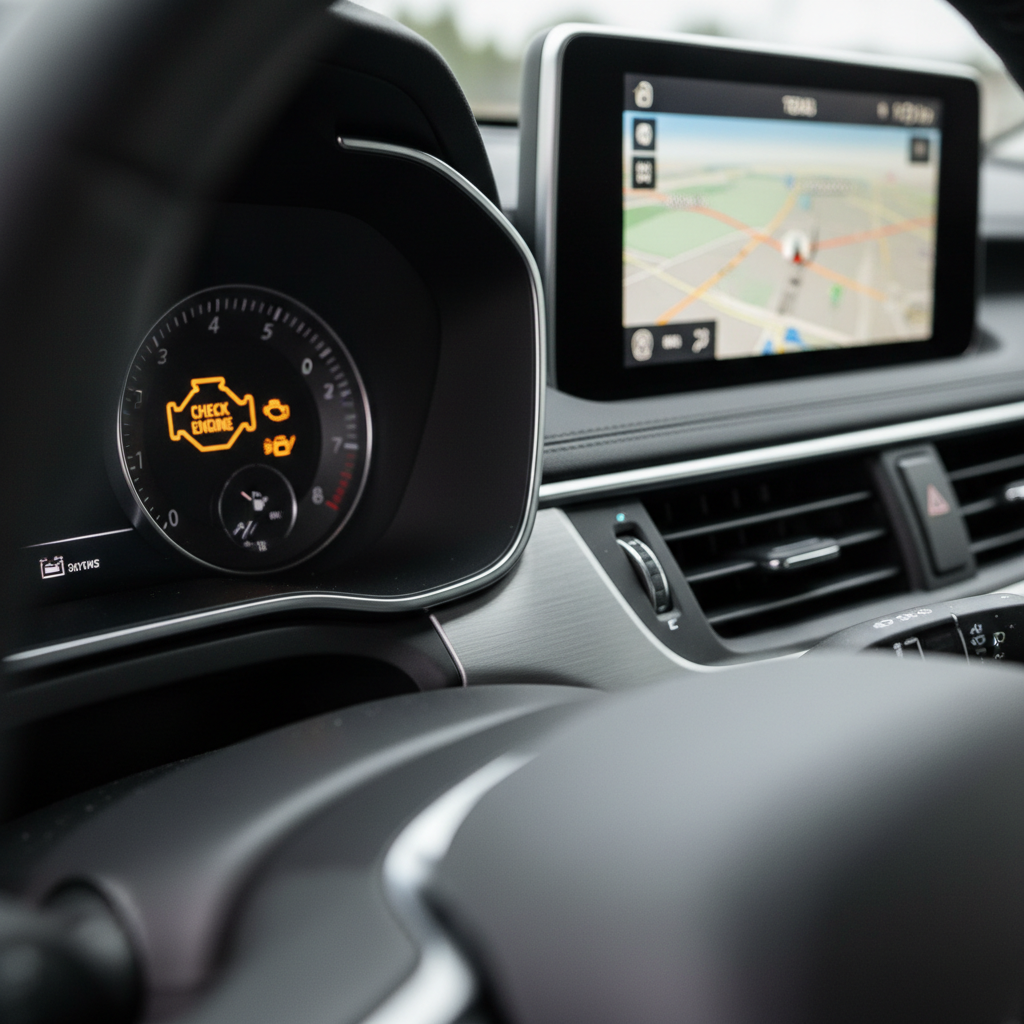
Turn that key or push that button. The engine should fire up smoothly without excessive cranking. Listen carefully. Knocking, clicking, or grinding sounds at startup signal serious problems. Watch the dashboard. All warning lights should illuminate briefly, then turn off. If the check engine light stays on, you’ve got diagnostic work ahead.
Testing Transmission and Shifting
Whether you’re driving automatic or manual, shifting should feel smooth and seamless. Rough shifts, delays, or clunking sounds mean transmission trouble. And friend, transmission repairs can cost more than the car is worth. Test in all gears, including reverse. Make sure it shifts cleanly through every range.
Brake Performance Evaluation
Your brakes keep you alive. Test them thoroughly. The pedal should feel firm under your foot, not spongy or soft. Apply steady pressure at various speeds. The car should stop straight without pulling to either side. Feel for any pulsations through the pedal or steering wheel. Pulsating brakes often mean warped rotors. Listen for grinding noises. Metal-on-metal contact means the pads are shot.
Suspension and Steering Response
Find some imperfect pavement. Texas has plenty, trust me. Drive over bumps, rough patches, and railroad crossings. Listen for creaks, pops, or rattling from underneath. The suspension should absorb bumps quietly. Excessive bouncing or a floating feeling indicates worn shocks or struts.
The steering should respond immediately without play or vibration. If you’re considering a truck or SUV, you might want to read our understanding 4WD vs AWD systems guide to know what drivetrain feels you’re evaluating.
Climate Control Testing (Critical for Texas)
Here in Texas, a broken AC isn’t an inconvenience. It’s a deal-breaker. Our summers regularly hit 100+ degrees. A failing climate control system in July could literally be dangerous. I’ve walked away from otherwise solid vehicles because the AC couldn’t keep up.
AC Temperature Benchmarks
Here’s what most buyers don’t know. A properly functioning AC should blow between 38-42 degrees Fahrenheit at the center vent with windows closed, fan on low, and recirculation on. If you don’t have a thermometer, aim for at least a 30-degree drop from the outside temperature. This AC system inspection guide covers additional technical details.
When outdoor temps hit 90+ degrees, watch that temperature gauge carefully. Overheating issues show themselves in extreme heat. Understanding protecting vehicles from Texas heat will help you appreciate why this matters so much.
Heating System Check
Yes, even in Texas, test the heater. We get cold snaps, and a broken heater core can indicate cooling system problems. Plus, the heater draws heat from the engine coolant. If it blows cold when it should be hot, you might have coolant issues.
Engine Performance Under Load
Don’t baby it. Accelerate firmly from stops. Merge onto highways. Feel how the engine responds under real-world demands. Hesitation, stuttering, or loss of power under acceleration signals fuel delivery or ignition problems.
Highway Driving Test
Get that vehicle up to highway speeds. This reveals issues that city driving hides. Listen for wind noise around doors and windows. Excessive noise could mean worn seals or poor body alignment. Feel for vibrations through the steering wheel or seats. Vibrations often indicate balance issues, worn tires, or drivetrain problems.
Using Your Senses: Listen, Smell, Feel
- Listen: Any unusual knocking, whining, or grinding from the engine bay.
- Smell: Burning oil, hot coolant, or rubber indicates leaks or worn parts. Mold or mildew smells could mean water leak or flood damage.
- Feel: Vibrations in the steering wheel, seats, or pedals that shouldn’t be there.
After the Test Drive: Final Inspections
The test drive ends, but your evaluation doesn’t. There’s still work to do before making a decision.
Check for Fluid Leaks
Park the vehicle on clean pavement for a few minutes. Then grab a flashlight and check underneath. Fresh drips after a test drive tell you what’s leaking. Water dripping from the AC condenser is normal in warm weather. Oil, coolant, transmission fluid, or brake fluid? That’s a problem you need to factor into your decision.
Review Your Notes and Impressions
If you’re test driving multiple vehicles, your notes become invaluable. Compare your impressions while they’re fresh. How did the steering feel in Car A versus Car B? Which engine felt more responsive? Trust your instincts. If something felt off during the drive, don’t rationalize it away.
Schedule a Pre-Purchase Inspection
Even the best test drive can’t catch everything. An independent mechanic can put the car on a lift and inspect components you can’t see from the driver’s seat. It typically costs $100-200 and could save you thousands. This comprehensive vehicle inspection checklist covers what a professional should examine.
Red Flags That Should End the Test Drive
Some problems are so serious they should end your test drive immediately. Don’t waste more time on a vehicle with these issues.
Engine Warning Signs
- Excessive cranking before the engine starts
- Persistent check engine light
- Knocking, ticking, or whining sounds from the engine
- Smoke from the exhaust (especially blue or white)
Transmission Issues
- Rough or delayed shifts
- Slipping between gears
- Grinding noises when shifting
- Transmission fluid that looks dark or smells burnt
Brake Problems
- Spongy or soft brake pedal
- Brake pedal pulsations
- Grinding sounds when braking
- Vehicle pulls to one side during braking
Seller Behavior Red Flags
Watch the seller as much as the car. If they refuse to show a vehicle history report, there’s something they don’t want you to see. If they pressure you to skip an independent inspection, walk away. Legitimate sellers welcome thorough buyers. Sketchy ones don’t.
Next Steps After a Successful Test Drive
Found a winner? Here’s how to move forward confidently.
Compare the vehicle to others you’ve tested. Review the pricing against market value using tools like Kelley Blue Book or NADA guides. If the price seems high, you’ve got leverage to negotiate. Our guide on negotiating the best price at Texas dealerships walks you through exactly how to approach that conversation.
Schedule that pre-purchase inspection with a trusted independent mechanic. Review the vehicle history report thoroughly for accidents, title issues, and service records. Consider your financing options, whether through the dealer, your bank, or a credit union.
If you’re still exploring what to buy, we’ve got resources to help. Check out our complete used truck buying guide for truck shoppers or our best family SUVs for Texas roundup if you need more cargo space.
A thorough test drive takes time and effort. But when you’re making a decision that costs tens of thousands of dollars, that investment pays off. Take your time. Trust your senses. And never let anyone rush you through the process.